Traveling often carries a promise of comfort and escape, especially when you finally arrive at a hotel after a long journey. You check in, collect your key card, and step into what you assume will be a private, secure space for the night. The bed is neatly made, the bathroom is spotless, and the soft hum of air conditioning creates an atmosphere of calm. Most travelers instinctively relax at this point, believing that once the door is closed, they are safe. Yet seasoned travelers and security experts often point out that unfamiliar environments come with hidden risks, no matter how luxurious or reputable the establishment may seem. One surprisingly simple habit has gained attention in recent years: tossing a bottle of water under the bed as soon as you enter your room. At first glance, it sounds odd, even silly. Why would anyone throw a bottle on the floor in a hotel room? But behind this small action lies a powerful reminder that personal safety often depends on awareness, not fear. This simple gesture is less about paranoia and more about developing practical habits that help you take control of your surroundings, especially when you are far from home.
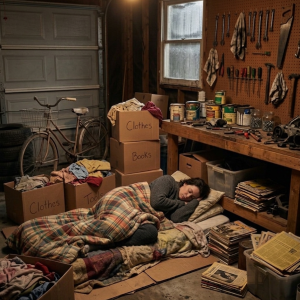
The logic behind this trick is straightforward. Hotel beds, particularly in standard and budget accommodations, often sit high enough off the ground to create a sizable space underneath. This area is rarely checked by guests and sometimes even overlooked by housekeeping during quick turnovers between bookings. By gently rolling or tossing a sealed bottle of water under the bed, you create an instant test. If the bottle slides smoothly and emerges on the other side, the space is likely clear. If it stops abruptly, tilts strangely, or fails to come out at all, something is blocking it. That “something” could be harmless, such as forgotten luggage, extra bedding, cleaning equipment, or stored maintenance supplies. However, in rare but documented cases, it could also indicate the presence of a person hiding under the bed. While such incidents are uncommon, they have occurred in different parts of the world, sometimes making headlines and reminding travelers that no place is completely immune to security breaches. The bottle test is not meant to create panic, but to give you immediate feedback about one of the most overlooked spaces in a hotel room, without requiring you to kneel down and physically look underneath.
This advice gained wider popularity after flight attendants and frequent travelers began sharing it on social media. People who spend hundreds of nights a year in hotels develop habits that casual travelers rarely consider. One such professional, often cited in discussions about this tip, explained that hotel rooms should always be inspected upon arrival, especially in unfamiliar locations. According to experienced crew members, the first few minutes in a room are crucial. This is when you should check door locks, emergency exits, windows, closets, bathrooms, and yes, the space under the bed. The water bottle method simply makes one of these checks easier and faster. Instead of bending down immediately—when you might be tired, distracted, or carrying luggage—you can perform a quick test from a standing position. It fits naturally into the routine of setting down your bags and looking around. Over time, for frequent travelers, this becomes as automatic as checking that the door is locked or that the safe is working. It is not about living in fear, but about building habits that quietly protect you.
Beyond the specific issue of hidden spaces, this practice highlights a broader truth about travel safety: danger rarely announces itself. Most security risks come from complacency and assumptions. Many people assume that if a hotel has good reviews, professional staff, and clean rooms, it must also be perfectly safe. While reputable hotels do invest in security, they are still busy environments with constant movement of guests, staff, contractors, and deliveries. Doors are opened and closed hundreds of times a day. Mistakes happen. Sometimes rooms are entered by unauthorized individuals. Sometimes maintenance doors are left unlocked. Sometimes previous guests leave behind belongings that no one notices. The under-bed area becomes a kind of blind spot in this system. By checking it, you are acknowledging that safety is not guaranteed by reputation alone. You are taking personal responsibility for your environment, just as you would when locking your car or checking your home before going to bed. The water bottle trick is not magic—it is simply a reminder to stay alert.
It is also important to understand what this tip is not. It is not a substitute for proper security measures, nor is it a guarantee of safety. Rolling a bottle under the bed will not protect you from every possible risk. It will not prevent theft, scams, or accidents. It does not replace using the door lock, the safety latch, or the room safe. It does not mean you should distrust every hotel you enter. Instead, it works best as part of a larger mindset of mindful travel. This includes keeping your door locked at all times, not opening it to strangers, using the peephole, storing valuables securely, being cautious about sharing room numbers, and knowing where emergency exits are located. When combined with these habits, the water bottle check becomes one small piece of a larger safety routine. It reinforces the idea that your well-being matters enough to deserve a few extra minutes of attention, even when you are tired or eager to relax.
In the end, the reason you should throw a bottle of water under the bed when you check into a hotel has less to do with fear and more to do with empowerment. It is about reminding yourself that unfamiliar spaces deserve careful observation. It is about shifting from passive trust to informed awareness. Most of the time, the bottle will roll out smoothly, and you will think nothing more of it. But in those moments, you will also feel reassured, knowing that you have taken responsibility for your safety. And in the rare case that something does seem wrong, you have given yourself an early warning, allowing you to contact staff, request a different room, or leave if necessary. Travel is meant to expand your horizons, not your anxieties. Simple habits like this one help ensure that your experiences remain positive, secure, and focused on enjoyment rather than worry. Sometimes, the smallest actions—like tossing a bottle across the floor—carry the biggest message: your safety is worth protecting, wherever you go.