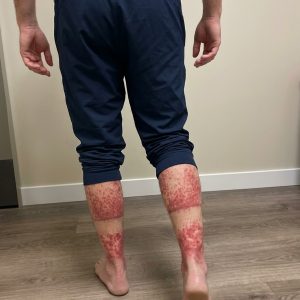
Erysipelas is a bacterial skin infection that develops quickly and often presents in a way that feels sudden and unmistakable once it appears. It typically begins with what might seem like a minor irritation of the skin, but within a short period—sometimes only hours—it progresses into a clearly visible, inflamed area that is both uncomfortable and concerning. The affected region is usually bright red, warm, swollen, and tender, with a distinct raised border that sets it apart from surrounding healthy skin. This sharp edge is one of the defining clinical features that helps distinguish erysipelas from similar infections such as cellulitis, which tends to have more diffuse and less clearly defined margins. Although it primarily involves the upper layers of the skin, erysipelas also affects the superficial lymphatic vessels, which contributes to its rapid spread and pronounced inflammatory response. Because of this involvement, the infection is not merely a surface-level issue but part of a broader immune reaction occurring within the body.
The most common cause of erysipelas is infection by group A Streptococcus bacteria, organisms that are widely known for causing a range of human infections. These bacteria gain entry through breaks in the skin, which may be extremely small and easily overlooked. Cuts, scratches, insect bites, surgical incisions, or even areas of dry and cracked skin can serve as entry points. Once the bacteria penetrate the skin barrier, they multiply rapidly and trigger an immune response that leads to inflammation, redness, and swelling. The infection most frequently affects the lower limbs, where circulation may be less efficient, or the face, particularly around the cheeks and nasal region. However, it can occur anywhere on the body where the skin barrier has been compromised. The ease with which these bacteria enter the body highlights the importance of seemingly minor skin integrity issues, as even small disruptions can become clinically significant under the right conditions.
In addition to its visible manifestations, erysipelas often produces systemic symptoms that reflect the body’s broader response to infection. Individuals may experience fever, chills, fatigue, and a general sense of malaise that can appear before or alongside the skin changes. These symptoms result from the immune system’s activation as it attempts to control the bacterial invasion. In some cases, nearby lymph nodes become swollen and tender, indicating the involvement of the lymphatic system in the inflammatory process. The combination of localized skin symptoms and whole-body effects can make the condition feel particularly intense and disruptive. Because the onset is often rapid, it may initially be mistaken for a viral illness or another type of infection, which can delay appropriate treatment. Recognizing that systemic symptoms can accompany skin changes is important for early identification and management.
Certain factors increase the risk of developing erysipelas, making some individuals more susceptible than others. Conditions that impair lymphatic drainage, such as lymphedema, reduce the body’s ability to manage fluid and immune responses effectively, creating an environment in which bacteria can thrive more easily. Poor circulation, commonly associated with conditions like diabetes or peripheral vascular disease, can also slow healing and weaken the skin’s natural defenses. Repeated skin injuries, chronic swelling, or a history of previous erysipelas infections further increase vulnerability. Age is another contributing factor, as both older adults and very young individuals may have less robust immune responses. Environmental and lifestyle factors, including inadequate skin care or prolonged moisture exposure, can also compromise skin integrity and increase risk. These factors collectively emphasize the importance of preventive care in maintaining healthy skin and reducing susceptibility to infection.
Treatment for erysipelas is generally effective when initiated promptly. Antibiotics are the primary form of therapy, with oral medications commonly used in mild to moderate cases and intravenous antibiotics reserved for more severe infections. Early treatment typically leads to noticeable improvement within a few days, as the bacterial load decreases and inflammation begins to subside. Supportive measures, such as rest, hydration, and elevating the affected limb, can help reduce swelling and discomfort during recovery. Pain management may also be used to improve comfort while healing progresses. Completing the full course of antibiotics is essential, even if symptoms improve early, to ensure complete eradication of the infection and reduce the risk of recurrence. Proper skin care during and after treatment, including keeping the affected area clean and protected, supports recovery and helps prevent future infections.
Overall, erysipelas illustrates how quickly a seemingly minor disruption in skin integrity can escalate into a significant medical condition. Its rapid onset, distinctive appearance, and systemic effects make early recognition particularly important. Awareness of symptoms such as sudden redness, warmth, swelling, and fever allows for timely medical attention, which is key to preventing complications. Prevention through good skin hygiene, careful management of wounds, and attention to underlying health conditions plays a crucial role in reducing risk. Understanding the nature of erysipelas reinforces the broader principle that skin health is closely linked to overall well-being, and that prompt response to early signs of infection can significantly improve outcomes.