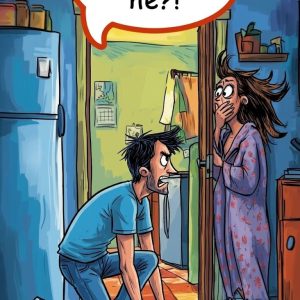
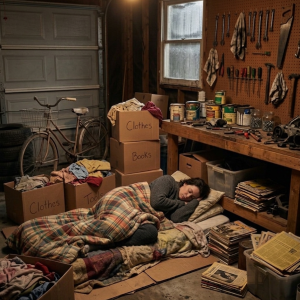
This reads like a tightly constructed suspense story, and it works because it builds tension in layers rather than relying on a single shocking moment.
What stands out most is how the danger enters through something ordinary—a food delivery. That’s a clever narrative choice. Ravi’s quiet warning (“CHECK YOUR TRASH CAN”) shifts the tone instantly from routine to threat, and because it’s subtle rather than dramatic, it feels more believable and unsettling. The fear isn’t loud—it creeps in.
Nora as a character is also well-grounded. She’s not portrayed as helpless or overly heroic; instead, she reacts the way a vigilant parent realistically might: initial confusion, then decisive action. Calling emergency services, securing her children, and later upgrading home security all feel like natural extensions of her personality. That consistency helps anchor the story.
The inclusion of Leona adds another layer of credibility. Her calm, procedural response contrasts well with Nora’s fear, which stabilizes the scene and reinforces the seriousness of the threat. The detail about the corrosive liquid and its use in break-ins is especially effective—it transforms a vague fear into something concrete and plausible.
Ravi’s role is small but impactful. He represents the “ordinary person as hero” theme, and the fact that his warning is quiet and indirect makes it more powerful. He doesn’t intervene dramatically; he notices, thinks, and acts just enough. That restraint makes his contribution feel authentic.
The pacing is also worth noting. The story starts slow, escalates quickly with the discovery, peaks with the police confirmation, and then gradually transitions into aftermath and reflection. That shift—from fear to control—is important. It prevents the story from ending on pure anxiety and instead reframes it as empowerment.
If there’s one area you could tighten, it might be the ending. The final sections lean heavily into explanation and reflection. While the message about vigilance and community is strong, you could make it more impactful by showing rather than summarizing—for example, ending with a small, concrete moment (like Nora noticing something on the camera and calmly handling it) instead of explaining how she changed.
Overall, it’s a compelling piece that blends realism with suspense. It works not because the threat is extreme, but because it feels possible—and because the response feels human.