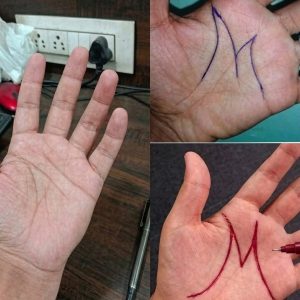
We rely on our hands constantly, often without realizing just how much work they do or how much strain they quietly absorb. From waking up to turning off alarms, preparing meals, handling devices, and beginning daily tasks, our hands are in almost constant motion. Throughout the day, they type, grip, carry, open, scroll, and perform countless tiny actions so routine that we barely notice them. Each motion involves coordination between muscles, tendons, nerves, and joints. Over time, tension accumulates slowly, often going unnoticed until a rare moment of stillness reveals just how fatigued our hands have become.
This is why something as small as stretching a single finger—especially the ring finger—can feel unexpectedly soothing. Gently pulling, massaging, or rotating this finger triggers a cascade of small physical and neurological responses that ease tension. When light pressure is applied to the base and held for a few seconds, the tendons running from the forearm through the palm to the finger are encouraged to glide smoothly, releasing points of tension from repetitive actions like typing or gripping. The result is a small wave of relaxation spreading through the hand, a sensation surprisingly satisfying despite the motion’s simplicity.
Circulation also contributes to the effect. Hands contain many tiny blood vessels that can become slightly constricted with repeated activity. Stretching the finger, even gently, temporarily improves blood flow in surrounding tissues, producing a subtle sense of warmth or pulse. Beyond that, the ring finger’s connective role in hand structure amplifies the effect: its tendons share links with the middle and pinky fingers, so a stretch can ripple through the palm and neighboring digits. This interconnectedness creates a chain reaction of relief, making even a small gesture feel more significant than expected.
The mental and emotional benefits of this stretch are equally important. Taking a moment to stop and stretch interrupts the relentless cycle of activity, offering a micro-break that allows reconnection with the body and a pause for deep breathing. The tactile feedback—the pull on the skin, the slight movement of joints, the loosening of tension—draws attention to the present moment, quieting mental noise. Simple hand-based relaxation techniques, like stretching the ring finger, echo the principles of mindfulness, offering a moment of calm without any complex practice or preparation.
While not a medical treatment, gentle stretches help counteract everyday strain from repetitive hand use. Persistent pain, numbness, or swelling should always be evaluated by a professional, but for routine fatigue, a few seconds of finger stretching can provide significant relief. The practice requires no tools and can be done anywhere—while reading emails, waiting at a stoplight, or preparing breakfast. Gentle upward pulls, slight rotations, or massaging the finger’s base are sufficient, emphasizing care rather than force. Over time, these small gestures can improve flexibility, reduce fatigue, and foster greater awareness of how hands are used and cared for.
Ultimately, stretching the ring finger is a simple yet powerful gesture that eases both physical tension and mental stress. By paying attention to a small part of the body that often goes unnoticed, we affirm the connection between movement, comfort, and mindfulness. Incorporating these brief, intentional moments into daily life can help restore balance, reduce strain, and bring a subtle sense of ease. Our hands work tirelessly for us—offering them even a few seconds of relief can transform routine strain into awareness, relaxation, and well-being.