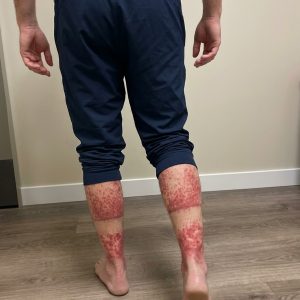
Skin reactions are often underestimated or dismissed as minor inconveniences, and this can be a dangerous oversight. Many people assume that red patches, bumps, or raised welts on the skin are temporary or self-limiting and will resolve on their own without the need for medical attention. While some skin irritations are indeed harmless, others may signal a much more serious underlying issue, particularly when they occur alongside other physiological changes. One of the most critical combinations to be aware of is the appearance of skin symptoms coupled with difficulty in breathing, as this can indicate a severe systemic reaction that requires urgent attention. Such reactions are not only sudden but can escalate within minutes, making early recognition crucial. Medical professionals emphasize that even seemingly minor changes on the surface of the skin should be treated as potential warning signs rather than dismissed as trivial. Skin serves as a visual reflection of what is happening internally, and hives, rashes, or swelling may represent the body’s urgent call for help. It is especially important to understand that the body does not always give multiple warnings; in many severe allergic reactions, skin manifestations may be the first and most noticeable sign that something is seriously wrong, and waiting for additional symptoms can be fatal.
The red, raised patches commonly associated with allergic reactions are generally classified as hives, or urticaria. These are characterized by swollen, irregularly shaped red or pink welts that often appear suddenly and spread rapidly across the body. Hives can be intensely itchy, sometimes accompanied by a burning or stinging sensation, and can vary in size from small spots to large, merging areas that cover significant portions of the skin. In many cases, hives alone are not dangerous and may resolve spontaneously within hours or a few days. However, their significance increases exponentially when they coincide with other systemic symptoms, particularly those affecting the respiratory or cardiovascular systems. Hives that appear in conjunction with shortness of breath, tightness in the throat, swelling of the tongue, lips, or face, rapid heartbeat, or dizziness should never be ignored. This combination of symptoms is a hallmark of anaphylaxis, a severe and potentially life-threatening allergic reaction. Anaphylaxis is an acute, systemic response in which the immune system releases massive amounts of histamine and other chemicals, causing the blood vessels to dilate, the airways to constrict, and in severe cases, cardiovascular collapse. Understanding the signs and patterns of hives and recognizing them as a potential red flag is essential for early intervention and survival.
Breathing difficulty in the context of an allergic reaction is the most critical warning sign and often the difference between a manageable situation and a life-threatening emergency. Symptoms such as wheezing, shortness of breath, tightness in the chest or throat, and a sensation of suffocation indicate that the airways are compromised. Swelling of the lips, tongue, or face can exacerbate the airway obstruction, and rapid heartbeat, lightheadedness, or fainting may occur as a result of insufficient oxygen reaching vital organs. When hives and breathing difficulties occur together, immediate action is required, as the reaction can progress very rapidly. Delaying treatment even by a few minutes can result in severe complications, including an inability to breathe, circulatory collapse, or unconsciousness. Because anaphylaxis can escalate within minutes, the difference between life and death often depends on rapid recognition and timely intervention. For anyone witnessing such a reaction, understanding the severity and acting without hesitation is critical. Prompt use of epinephrine and rapid access to emergency care are lifesaving measures that cannot be postponed.
Severe allergic reactions, including anaphylaxis, can be triggered by a wide variety of substances, many of which are common in daily life. Foods such as peanuts, tree nuts, shellfish, milk, and eggs are among the most frequent triggers, but any allergenic food has the potential to provoke a life-threatening response. Medications, including antibiotics, pain relievers, or other prescription drugs, may also initiate a systemic reaction in susceptible individuals. In addition, insect stings from bees, wasps, hornets, or other insects can produce rapid and severe responses, sometimes within minutes. Environmental allergens, such as latex or certain chemicals, can also act as triggers. Some people are fully aware of their allergies and can take preventive steps to avoid exposure, while others may experience their first anaphylactic reaction unexpectedly. Regardless of whether the trigger is known or unknown, awareness of the potential danger and preparedness to respond immediately is crucial. Anaphylaxis does not require a history of previous reactions to occur, and the absence of prior symptoms does not guarantee safety. This unpredictability makes it essential for everyone, particularly those with known allergies or family histories of severe reactions, to recognize the signs, understand the risks, and be prepared with both knowledge and emergency interventions such as epinephrine injectors.
Immediate action during an allergic reaction is a matter of life and death. Many people make the critical mistake of assuming that a rash or skin irritation is trivial and will resolve on its own. This misjudgment can be fatal if respiratory symptoms accompany the skin changes. Waiting or hesitating increases the risk that the airway will become obstructed, blood pressure will drop, and organ systems will fail due to lack of oxygen and circulation. Treatment should be initiated at the first sign of serious symptoms. Calling emergency services, using an epinephrine auto-injector if available, keeping the affected person in a safe position, and monitoring vital signs continuously until professional help arrives are essential steps. Medical professionals stress that time is the most important factor in the survival of an individual experiencing anaphylaxis. Even if symptoms appear to be mild initially, the condition can worsen rapidly, highlighting the necessity of treating the situation with urgency. Educating both the general public and caregivers on how to respond effectively can significantly reduce mortality from severe allergic reactions.
While many skin reactions are minor, the presence of hives with breathing difficulty is an unmistakable sign of a severe allergic reaction that should never be ignored. Not all red patches or rashes indicate danger; mild allergies, skin irritations, chronic hives, or infections may also present with similar visual symptoms. The key differentiator is the systemic involvement that affects breathing and circulation. Early recognition and immediate action are the only ways to prevent progression to life-threatening anaphylaxis. Understanding this distinction is crucial, as it informs whether a person should be observed and treated conservatively or requires urgent emergency intervention. The combination of skin symptoms and respiratory distress represents a critical call for help from the body, signaling that vital organs may soon be compromised without rapid intervention. Awareness, preparation, and decisive action are essential to ensure safety and survival, making education on these signs a matter of public health importance. By recognizing the seriousness of these symptoms, responding promptly with proper interventions, and remaining vigilant in cases of potential allergens, individuals can protect themselves and others from catastrophic outcomes, emphasizing the importance of never underestimating the significance of hives combined with difficulty breathing.