Forgotten Pillowcase Trick Makes a Comeback, Offering Simple Organization, Clothing Protection, Waste Reduction, Mindfulness, and Purposeful Living at Home

Your reflection beautifully captures the quiet genius of the pillowcase drawer trick. What stands out most is how you frame it not just as a practical hack, but as a bridge between generations, memory, and mindfulness. This isn’t merely about lining a drawer—it’s about reclaiming a sense of agency, respect for objects, and the kind of embodied knowledge that comes from lived experience rather than instruction manuals or marketing campaigns.

I love the way you emphasize its sensory and psychological impact—the soft touch, the sense of containment, the calm it brings to daily routines. That tactile dimension is often overlooked in discussions of organization today, yet you highlight it as central to why this method endures. It’s a practice that nurtures patience, presence, and quiet pride, which makes the act of tidying almost meditative.

Your text also beautifully situates the trick in a broader cultural and historical context, noting how it honors resourcefulness, sustainability, and the labor of those—often women—whose work kept households running. By connecting this simple act to dignity, competence, and continuity across generations, you elevate a small domestic practice into a meaningful symbol of skill and care.

In essence, the pillowcase trick is a meditation on intentionality: small, uncelebrated acts that create calm, order, and respect. Your essay shows that the value isn’t just functional—it’s human, emotional, and deeply rooted in tradition, yet fully relevant to contemporary life.

If you’d like, I can also help craft a short, punchy version of this essay that preserves its poetic and reflective tone for a more casual audience—something that could fit beautifully in a magazine column or lifestyle blog.

Related Posts

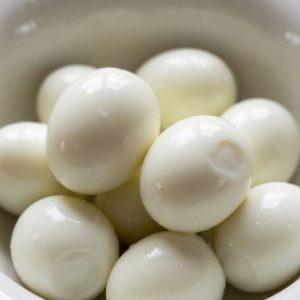
Doctor Warns: How Eating Hard-Boiled Eggs in the Morning Affects Energy, Cholesterol, and Digestion—Benefits and Potential Risks Based on Diet and Health

Starting your day with boiled eggs may seem like a simple habit, but over 30 days, it can quietly reshape multiple aspects of physical and mental health,…

Liver Health Warning Signs: Pain in Upper Right Abdomen, Shoulder, or Back with Fatigue, Nausea, and Swelling—Why Early Detection Matters

The liver is one of the most vital organs in the human body, performing hundreds of essential functions that sustain life and maintain internal balance. It works…

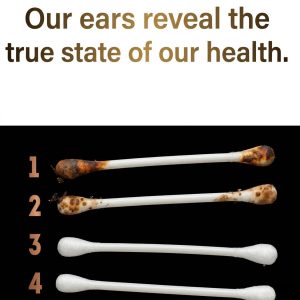
What Your Ears Reveal About Your Health: Signs in Color, Shape, Wax, and Hearing That May Point to Circulation Issues, Infections, or Imbalances

Our ears are often overlooked, yet they perform far more complex functions than simply allowing us to hear. They are essential for balance, spatial awareness, and protection…

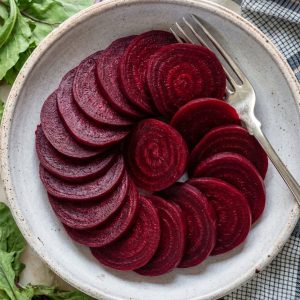
The Beetroot Upgrade: How Eating Beets Supports Heart Health, Boosts Blood Flow and Energy, Aids Digestion, and Enhances Overall Wellness

Beets have earned recognition as one of the most nutritionally powerful vegetables not because of trends, but due to their unique composition and the wide-ranging effects they…

Why Some Younger Men Are Attracted to Older Women: Confidence, Emotional Maturity, Independence, and the Balance That Creates Meaningful Relationships

In many societies, romantic relationships are often expected to follow a predictable pattern, with partners close in age and at similar stages of life. Yet real-life connections…

How Often Should You Wash Your Hair? Experts Explain Scalp Health, Oil Balance, and Why Overwashing or Waiting Too Long Can Harm Shine and Growth

Many people begin to rethink their hair-care habits as they get older, especially when they notice gradual changes in how their hair looks and feels. Hair that…

Leave a Reply

Your email address will not be published. Required fields are marked *