Snakes have long inspired a mix of fear, respect, and curiosity, especially in regions such as Skopje, where occasional encounters with species like Vipera ammodytes or Natrix natrix can occur in gardens, rural edges, or areas close to natural vegetation. Although these sightings can feel alarming, snakes generally do not seek out human interaction and instead appear where environmental conditions naturally support their survival, such as areas with shelter, warmth, and an abundance of prey like rodents or insects. Understanding this behavior is essential because it shifts the focus from fear-based reactions to ecological awareness, where the presence of a snake is usually a sign of an imbalanced environment rather than aggression toward humans. Many modern approaches emphasize coexistence rather than elimination, especially since snakes play an important ecological role in controlling pest populations and maintaining natural balance. This perspective encourages non-lethal and environmentally responsible methods for discouraging snakes from entering residential spaces, particularly through habitat management and scent-based deterrents that align with how snakes perceive their surroundings. To understand why such deterrents can be effective, it is important to recognize that snakes rely heavily on chemical sensing through a specialized organ known as Jacobson’s organ. When a snake flicks its tongue, it is gathering microscopic particles from the air and ground and transferring them for analysis, allowing it to interpret its environment in detail. This system helps snakes identify prey trails, detect predators, and navigate efficiently, meaning that any disruption in chemical clarity can interfere with their ability to function comfortably in a given space. Strong or unfamiliar odors can create sensory confusion, effectively masking the chemical signals that snakes rely on for orientation. As a result, certain natural substances with intense aromatic compounds are believed to make environments less attractive by overwhelming or disrupting these sensory pathways. However, the effectiveness of such methods depends heavily on consistency, environmental conditions, and proper application, since scents can dissipate or weaken over time due to weather, sunlight, or airflow. Because of this, deterrent strategies are most effective when they are part of a broader system that includes regular maintenance and habitat modification, rather than relying solely on scent exposure. Common natural deterrents include ingredients such as cinnamon, clove, and garlic, each of which contains strong volatile compounds that produce intense odors. Cinnamon, with cinnamaldehyde, creates a sharp aromatic presence, while clove oil, rich in eugenol, adds a dense and lingering scent profile. Garlic releases sulfur-based compounds like allicin when crushed, producing a strong odor that many animals avoid. When combined, these substances can create a layered olfactory environment that is more difficult for snakes to interpret, especially when applied around entry points, garden edges, or potential hiding areas. Lighter scents such as citrus and peppermint are also commonly used, as compounds like limonene and menthol can further contribute to sensory disruption while offering a fresher, more pleasant smell for humans. These are often applied in sprays, peels, or diluted oils and are useful in maintaining surface-level deterrence, although they require frequent reapplication due to their volatility. In some cases, stronger substances like ammonia or sulfur are used to intensify deterrence, as their sharp odors can mimic danger signals or create inhospitable conditions. However, these must be used with caution due to potential irritation to pets, plants, and humans, making them more suitable as targeted reinforcement rather than continuous application. Ultimately, no scent-based method is fully effective on its own if environmental attractants remain unchanged. Factors such as overgrown vegetation, cluttered outdoor spaces, standing water, and rodent activity are often the primary reasons snakes enter human habitats in the first place. Therefore, long-term prevention relies more on reducing these attractants than on any single repellent strategy. When combined thoughtfully, habitat management and natural deterrents can significantly reduce encounters while preserving ecological balance. This approach recognizes that snakes are not intruders by intent but participants in a shared environment, and that effective prevention comes from shaping conditions that discourage proximity rather than attempting to eliminate presence entirely.

Related Posts

“Teen Girl Discovers $10 Million Inheritance After Neglect, Saved By Legal Intervention, Escapes Family Abuse, And Begins New Life With Proper Care And Support”
I never told my parents about the inheritance my grandmother left behind, not because I was hiding something out of fear, but because I had already learned…
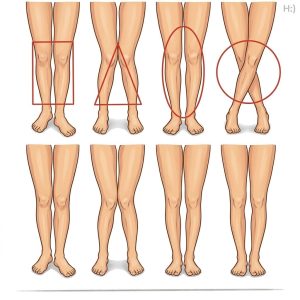
“Body Language And Leg Positioning: How Posture, Movement, And Stance Reflect Comfort, Confidence, And Nervousness, And Why Context Matters More Than Fixed Meanings”
Human body language is a rich and complex system of nonverbal communication that extends well beyond facial expressions, hand gestures, or vocal tone, with the lower body—especially…

“Seamstress With Sixty Years Of Experience Shares A Game-Changing Sewing Secret That Transforms Repairs, DIY Projects, And Reveals Decades Of Craft Wisdom”
Threading a needle may appear to be one of the most basic steps in sewing, yet for many people it quickly becomes a surprisingly delicate and frustrating…

“Beyond The Mirror: What Your Favorite Lipstick Color Reveals About Personality, Confidence, Emotional Signals, And Self-Expression Through Beauty Choices”
Lipstick has long moved beyond its original function as a simple cosmetic product, becoming instead a subtle but powerful form of personal expression that blends identity, emotion,…
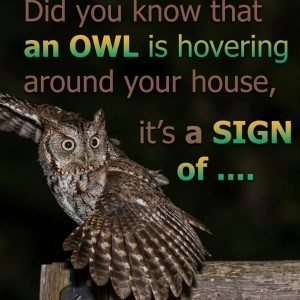
“When Night Falls, An Owl May Be Watching: Exploring Nocturnal Hunting, Silent Flight, Sharp Vision, And Hidden Wildlife Living Around Your Home At Night”
On dark and quiet nights, when human activity fades and the world seems to slow down, the owl emerges as one of nature’s most fascinating nocturnal creatures….
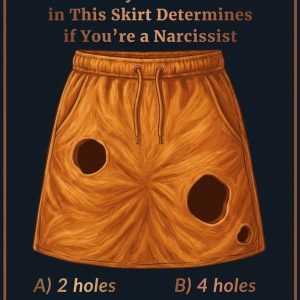
“How Many Holes You See In This Skirt: A Visual Test Claiming To Reveal Personality Traits, Perception Patterns, And Psychological Tendencies”
Internet puzzles have a unique way of transforming ordinary objects into extended debates, and the well-known skirt puzzle is a clear example of how something visually simple…