On a mild spring afternoon in 2025, Flight A921 readied for departure from Hartsfield-Jackson Atlanta International Airport, one of the busiest travel hubs in the world. The terminal thrummed with its usual rhythm: rolling suitcases clattering across polished floors, overhead announcements echoing through cavernous halls, families huddled around charging stations, and business travelers typing furiously on laptops. To most, it was another ordinary day of delayed flights and quiet impatience, nothing to suggest that a routine departure would soon ignite a national conversation about dignity, bias, and power. Among the passengers moving toward the gate was Daniel Cole, a man who attracted no special attention. Clad in a simple charcoal hoodie, faded jeans, and worn sneakers, he blended seamlessly into the crowd. His only distinguishing feature was a slim black leather briefcase subtly embossed with his initials. In one hand, he carried black coffee, and in the other, his boarding pass—a small but significant detail printed in the corner: Seat 1A, the front row of first class. Daniel was not just any passenger; he was the founder, CEO, and majority owner of the airline, yet that afternoon, he moved through the terminal not as an executive but as a Black man in casual clothes, invisible to the world around him. Boarding early, he greeted the crew politely and settled into his seat, letting himself a moment of calm before a critical board meeting in New York. For months, he had authorized internal investigations into passenger complaints and employee conduct, revealing troubling patterns of bias. Data alone could not capture the lived experience, so Daniel chose to see it firsthand, without fanfare, without privilege, and without notice. What unfolded next revealed the stark realities of perception and prejudice. A sudden tug on his shoulder spilled coffee across his newspaper and jeans. Behind him stood a woman in a cream-colored designer suit, perfectly styled hair and diamonds on her wrist, who slid into his seat without apology. “There,” she said dismissively. “Much better.” Daniel calmly pointed out the error, but she responded with condescension, implying that someone dressed like him did not belong in first class. A flight attendant intervened, yet even with Daniel’s boarding pass in hand, she dismissed the information. Whispers spread across the cabin, a teenager began livestreaming, and the tension escalated. A supervisor arrived, impatient and dismissive, threatening security involvement without verifying the facts. Only when an officer read his boarding pass aloud did the truth become undeniable: Seat 1A belonged to Daniel Cole. Revealing his CEO credentials on a secure company application, the magnitude of the situation became clear, and the livestream erupted. The woman, a corporate executive who publicly championed diversity, was confronted with the stark contrast between advocacy and behavior. Daniel’s measured response emphasized that intent does not erase impact. The incident sparked immediate action: suspensions, investigations, mandatory bias training, new accountability systems, and passenger advocacy programs were launched. The video went viral, becoming a case study in ethics and management courses, remembered not as a scandal alone but as a turning point for the airline industry. A year later, Daniel flew the same route again, witnessing attentive, respectful service, a quiet affirmation that fairness and dignity require deliberate choice. That day, he learned that respect is not granted by status or wealth, but by the willingness of people to recognize humanity in ordinary moments. Sometimes, revealing injustice requires only the courage to say calmly and firmly, “Look at the ticket.”

Related Posts

Doctor Warns: How Eating Hard-Boiled Eggs in the Morning Affects Energy, Cholesterol, and Digestion—Benefits and Potential Risks Based on Diet and Health
Starting your day with boiled eggs may seem like a simple habit, but over 30 days, it can quietly reshape multiple aspects of physical and mental health,…

Liver Health Warning Signs: Pain in Upper Right Abdomen, Shoulder, or Back with Fatigue, Nausea, and Swelling—Why Early Detection Matters
The liver is one of the most vital organs in the human body, performing hundreds of essential functions that sustain life and maintain internal balance. It works…

What Your Ears Reveal About Your Health: Signs in Color, Shape, Wax, and Hearing That May Point to Circulation Issues, Infections, or Imbalances
Our ears are often overlooked, yet they perform far more complex functions than simply allowing us to hear. They are essential for balance, spatial awareness, and protection…

The Beetroot Upgrade: How Eating Beets Supports Heart Health, Boosts Blood Flow and Energy, Aids Digestion, and Enhances Overall Wellness
Beets have earned recognition as one of the most nutritionally powerful vegetables not because of trends, but due to their unique composition and the wide-ranging effects they…

Why Some Younger Men Are Attracted to Older Women: Confidence, Emotional Maturity, Independence, and the Balance That Creates Meaningful Relationships
In many societies, romantic relationships are often expected to follow a predictable pattern, with partners close in age and at similar stages of life. Yet real-life connections…
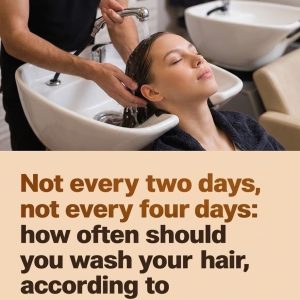
How Often Should You Wash Your Hair? Experts Explain Scalp Health, Oil Balance, and Why Overwashing or Waiting Too Long Can Harm Shine and Growth
Many people begin to rethink their hair-care habits as they get older, especially when they notice gradual changes in how their hair looks and feels. Hair that…