Hard-boiled eggs have remained a timeless staple in kitchens around the world, valued for their simplicity, nutrition, and versatility. They can be enjoyed on their own as a quick snack, added to salads for extra protein, or transformed into a variety of dishes, making them a reliable option for everyday meals. Despite their straightforward appearance, achieving perfectly cooked hard-boiled eggs requires more than just placing them in boiling water. Many people encounter common issues such as cracked shells, rubbery whites, overcooked yolks, or difficulty peeling. Mastering the process involves understanding a few essential techniques and the science behind how eggs react to heat, which ultimately makes the difference between an average result and a consistently excellent one.
The quality and age of the eggs play a significant role in the final outcome, particularly when it comes to peeling. Slightly older eggs tend to perform better than very fresh ones because their internal pH changes over time, reducing the tendency of the egg white to stick to the shell membrane. This small detail can make peeling far easier and prevent the surface of the egg from tearing. Allowing eggs to sit at room temperature briefly before cooking also helps reduce the risk of cracking, as it prevents sudden temperature shock when they are placed in hot water. These early preparation steps create a solid foundation for a smoother cooking process and a better end result.
The cooking method itself is just as important as preparation. Placing eggs in a pot of water and bringing it to a gentle boil allows for even heat distribution, which helps cook both the whites and yolks consistently. Adding a small amount of vinegar to the water can be beneficial, as it helps the egg whites coagulate quickly if any cracks form during cooking. Timing is critical, as it determines the texture of the yolk. Cooking eggs for around nine minutes generally produces a firm white and a fully set yolk without overcooking. Leaving them in hot water for too long can lead to a greenish ring around the yolk and a slightly sulfuric smell, both signs that the eggs have been exposed to excessive heat. Maintaining a gentle boil instead of a rapid one also helps prevent the eggs from bouncing around and cracking.
Cooling the eggs immediately after cooking is a step that should not be overlooked. Transferring them into an ice bath stops the cooking process and preserves the desired texture. This sudden cooling also causes the egg to contract slightly within the shell, making it easier to peel. Letting the eggs sit in cold water for several minutes ensures they are fully cooled and ready to handle. Skipping this step often results in eggs that are more difficult to peel and slightly overcooked, which affects both texture and appearance.
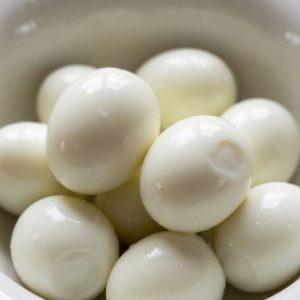
Peeling becomes much simpler when done with the right approach. Gently cracking the shell and starting from the wider end, where there is a natural air pocket, helps remove the shell more cleanly. Running the egg under cold water while peeling can further assist in loosening stubborn fragments. With proper technique, the shell comes off smoothly, leaving behind a clean and intact surface that is ideal for presentation.
Proper storage also plays a role in maintaining quality. Unpeeled hard-boiled eggs can be kept in the refrigerator for up to a week, while peeled eggs should be stored in a sealed container and consumed sooner. Their convenience and adaptability make them an excellent choice for meal preparation, offering a dependable and nutritious option that can be used in a wide range of dishes.