Vertical ridges on nails are a common occurrence, often becoming more noticeable with age. For many, these fine lines running from cuticle to tip are harmless and reflect the natural slowing of cell turnover in the nail matrix. As the body ages, keratin production may gradually decline, leading to subtle textural changes. However, when ridges become pronounced, nails grow brittle, split, peel, or change color, it can signal more than normal aging. Nails are composed of living cells that depend on consistent nutrient delivery, making them indicators of overall health. Just like hair and skin, they require adequate protein, vitamins, minerals, healthy fats, and hydration to grow properly. When the body faces nutrient shortages, vital organs take precedence, leaving nails and other peripheral tissues to receive what remains. Over time, this can manifest as ridging, thinning, fragility, or slowed growth. Fortunately, nutrition plays a central role in maintaining nail structure and resilience. While topical products may temporarily improve appearance, long-term strength originates internally. By focusing on balanced dietary intake, good circulation, and consistent hydration, nail texture can improve gradually. Since fingernails grow approximately three millimeters per month, visible improvements take patience, often requiring four to six months for a full nail to regenerate. Understanding which nutrients support keratin formation, cellular repair, oxygen transport, and tissue hydration is key to achieving smoother, healthier nails from the inside out.
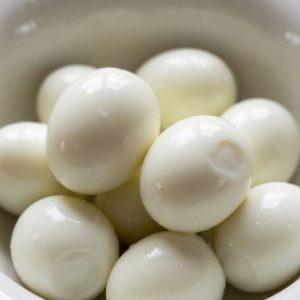
Protein is the most essential macronutrient for nails because keratin—the primary structural protein in nails—relies on amino acids for synthesis. Without adequate protein, nails become thin, weak, and prone to splitting, often with more visible ridges. Sources of high-quality protein include eggs, poultry, fish, dairy, legumes, tofu, tempeh, and lean meats. Plant-based diets can combine beans with grains to provide a complete amino acid profile. Certain amino acids, such as cysteine, are especially important because they form disulfide bonds that enhance nail strength and rigidity. Eggs are particularly beneficial, offering complete protein and other nutrients that support nail growth. Including protein in every meal ensures a steady supply of building blocks for keratin and tissue repair, while crash dieting or chronic low-calorie intake can impair growth and exaggerate ridging. Excessive supplementation beyond the body’s needs does not accelerate growth; balance is crucial. Alongside protein, micronutrients play an important role. Biotin, or vitamin B7, supports keratin infrastructure by aiding fatty acid synthesis, amino acid metabolism, and energy production. Adequate biotin intake may improve nail thickness and firmness, reducing visible ridges, and can be obtained from cooked eggs, almonds, walnuts, sweet potatoes, spinach, seeds, and salmon. Iron is vital for oxygen transport to the nail matrix, and deficiency may cause thinning, ridging, or spoon-shaped nails. Zinc supports cellular replication and tissue repair, and insufficient intake can result in white spots or slowed growth. Healthy fats, particularly omega-3s, contribute to nail flexibility, hydration, and reduced brittleness, supporting nail bed health and peripheral circulation. Fat-soluble vitamins like A, D, E, and K, along with hydration, also enhance nail strength and elasticity.
It is important to recognize when nail changes signal underlying issues. Horizontal ridges, deep grooves, discoloration, or sudden thickening may indicate illness, thyroid disorders, anemia, or autoimmune conditions. Medical evaluation should accompany persistent or severe changes. While supplementation can help with confirmed deficiencies, excessive intake can be harmful, making balanced diet and steady habits the foundation for healthy nails. Over months of consistent protein intake, micronutrient-rich foods, healthy fats, hydration, and gentle nail care, vertical ridges often become less prominent. Nails respond to internal balance and overall wellness, demonstrating that smooth, resilient nails reflect consistent nutrition, mindful self-care, and attention to the body as a whole.