Persistent itching is something almost everyone experiences at some point in life, and in the majority of cases it is harmless, temporary, and linked to everyday triggers that do not indicate any deeper medical issue. Dry air, seasonal changes, sweating, insect bites, detergents, synthetic fabrics, or even brief allergic reactions are all common reasons the skin may itch. In these situations, the sensation usually fades quickly once the irritant is removed or the skin is soothed with basic care such as moisturizing or cooling the area. Because of how familiar and routine it feels, itching is often dismissed without much thought. However, medical experts emphasize that not all itching follows this simple pattern. When itching becomes persistent, unexplained, or resistant to normal remedies, it may be the body’s way of signaling something happening beneath the surface rather than on the skin itself. The skin is deeply connected to internal systems, and changes in organs such as the liver, kidneys, or blood circulation can sometimes manifest externally long before more obvious symptoms appear. This is why pattern recognition is more important than isolated episodes—frequency, duration, and location often matter more than the sensation alone.
In many cases, the most common source of itching remains the skin itself. Dry skin is one of the leading causes, especially in colder climates or with aging, when the skin naturally loses moisture and becomes more fragile. Once the skin barrier weakens, it becomes more sensitive to friction, temperature changes, and environmental irritants. Harsh soaps, long hot showers, and fragranced skincare products can strip away protective oils, intensifying the problem and creating a cycle where scratching temporarily relieves discomfort but ultimately worsens irritation. Allergic reactions to food, medication, or environmental allergens can also trigger itching that appears suddenly and may spread across different areas of the body. Stress and anxiety are additional contributors, as the nervous system can heighten skin sensitivity and amplify the perception of itch even when no visible rash is present. In these cases, the cause is usually external or functional, and symptoms improve once triggers are identified and managed. However, when itching continues despite appropriate skincare and lifestyle adjustments, it becomes less likely that the cause is purely surface-level and more important to consider deeper underlying factors.
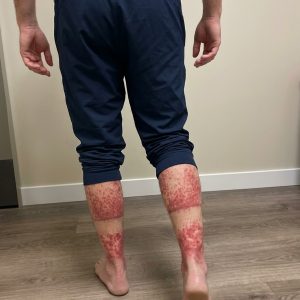
Certain patterns of persistent itching may also be associated with circulation-related or metabolic conditions, particularly when it affects the lower legs, ankles, or feet. These areas are more vulnerable to changes in blood flow and fluid balance, and when circulation becomes less efficient, subtle symptoms can appear in the skin. Some individuals notice itching accompanied by swelling, dryness, heaviness, or changes in skin texture. In cases of venous insufficiency, fluid can accumulate in the lower limbs, stretching the skin and creating irritation that presents as persistent itchiness. Metabolic conditions such as diabetes may also contribute by affecting small blood vessels and nerve endings, leading to unusual sensations including tingling or chronic itching. These symptoms do not confirm a specific diagnosis on their own, but they can serve as early indicators that the body’s internal systems may be under strain. Because these changes often develop gradually, they are easy to overlook or attribute to normal aging or fatigue. However, when lower-leg itching persists over time and does not respond to standard treatments, it is worth considering a broader medical evaluation.
Another area that requires attention is itching that occurs without any visible skin changes, particularly on the palms of the hands or soles of the feet. This type of itching is often described as deep, internal, and difficult to relieve through topical treatments. In some cases, it may worsen at night and interfere with sleep. Medical literature has noted that this pattern can sometimes be associated with internal processes involving liver function and bile flow, where the accumulation of certain substances in the bloodstream may interact with nerve endings in the skin. Although this does not automatically indicate serious disease, persistent unexplained itching in these areas should not be ignored, especially if accompanied by other symptoms such as fatigue, digestive changes, or general malaise. The absence of visible skin abnormalities can make this type of itching particularly confusing, leading individuals to assume it is purely dermatological when the source may be systemic.
Kidney function is another internal system that can sometimes be linked to widespread itching when waste filtration becomes less efficient. The kidneys are responsible for removing toxins and maintaining chemical balance in the body, and when this process is disrupted, waste products can accumulate in the bloodstream. This buildup may irritate nerve endings and lead to generalized itching that affects multiple areas without a clear external cause. Unlike localized skin irritation, this type of itching often feels deeper and more persistent, and it does not respond well to standard creams or antihistamines. It may also appear alongside other subtle symptoms such as changes in energy levels, fluid retention, or variations in urination patterns. Because these signs are often nonspecific, they can be easy to dismiss individually, but together they may suggest that internal balance is affected and further evaluation is needed.
Ultimately, understanding persistent itching requires careful attention to patterns rather than assumptions. Occasional itching is normal and expected, but when it becomes chronic, spreads without explanation, resists treatment, or appears alongside other physical changes, it should be taken more seriously. The body often communicates internal imbalances through subtle external signals before more obvious symptoms develop. Simple measures such as maintaining proper hydration, using gentle skincare products, avoiding irritants, and managing stress can help address common causes. However, when symptoms persist beyond expected timeframes, seeking medical advice is essential to rule out underlying conditions. The goal is not to create unnecessary concern, but to encourage awareness: itching is usually harmless, but when it stops behaving normally, it can become an important signal worth paying attention to.