Dr. Sandra Lee, known professionally as Dr. Sandra Lee, experienced a sudden and life-altering medical emergency while working on the set of her television production, an event that would temporarily interrupt her career and later become a powerful moment of awareness in both her personal and professional life. While filming her dermatology series Dr. Pimple Popper, she initially misinterpreted her symptoms as something minor, possibly stress-related, fatigue, or even a hormonal response such as a hot flash, a common misjudgment in the early stages of stroke where signs can appear subtle and easily overlooked. What began as excessive sweating, uneasiness, and a sense that her body was not functioning normally gradually escalated in severity, especially within the high-pressure environment of television production where fatigue and stress are often normalized. After leaving the set and going to her parents’ home, her condition progressed further, revealing more alarming symptoms including difficulty moving, radiating pain in her leg, and an emerging sense that something neurologically serious was occurring. As the symptoms developed, she began to notice a distinct weakness affecting the left side of her body, particularly her hand, where grip strength diminished and coordination became increasingly impaired, a hallmark sign often associated with neurological disruption in the brain’s motor regions. Alongside this, she experienced speech difficulties, further indicating that language centers in the brain were being affected, consistent with ischemic stroke patterns where blood flow is obstructed, depriving brain tissue of oxygen and nutrients. Although stroke symptoms can sometimes appear suddenly and dramatically, in her case they unfolded progressively, making early recognition more difficult despite her medical background. Eventually, her father’s concern and her own growing awareness led her to seek urgent medical evaluation, where imaging tests including an MRI confirmed that she had suffered an ischemic stroke, meaning a blockage had restricted blood flow to a portion of her brain and caused permanent cellular damage due to oxygen deprivation. She later acknowledged the severity of the event in clinical terms, recognizing that part of her brain tissue had effectively died, underscoring the urgent nature of stroke treatment and the narrow time window in which intervention can minimize long-term harm. Following this diagnosis, she stepped away from her television work for approximately two months, focusing instead on recovery and neurological rehabilitation, a process that required rebuilding strength, coordination, and fine motor control, particularly in her left hand, which is essential for her surgical dermatology practice. Stroke recovery involves neuroplasticity, where the brain adapts and reassigns functions through repetitive therapy and consistent effort, a process that is often slow, demanding, and emotionally taxing. She openly described the frustration of losing precise control over her hand movements, a challenge that directly impacted her professional capabilities and required both physical and emotional resilience to overcome. Beyond physical recovery, she also faced psychological effects including anxiety and lingering fear associated with the sudden onset of the stroke during a work environment, reflecting the often overlooked emotional aftermath experienced by survivors. Despite these challenges, she eventually returned to filming in January, demonstrating significant recovery while acknowledging that the experience left a lasting imprint on her life. Her journey also became a platform for advocacy, as she began emphasizing the importance of recognizing stroke symptoms early, including sudden weakness, speech difficulty, and loss of coordination, and stressing that immediate medical attention can be life-saving. By sharing her experience publicly, she helped raise awareness about neurological health, challenged misconceptions about who can experience strokes, and encouraged people to respond quickly to warning signs rather than dismissing them. Her story ultimately reflects both vulnerability and resilience, showing how even medical professionals are not immune to serious health crises, and how recovery involves not only physical healing but emotional adaptation, awareness, and renewed purpose in continuing work and advocacy after a life-changing event.

Related Posts
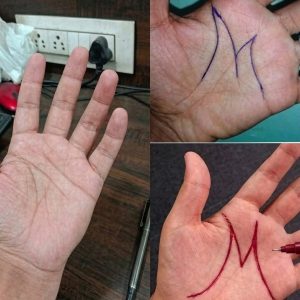
What the “M” on Your Palm Is Said to Mean in Palmistry, Including Common Myths About Love, Personality Traits, and Symbolic Interpretations
In the world of palmistry, the “M” shape formed by the intersecting lines of the palm is often regarded as a particularly intriguing and symbolic marking. It…

Check Your Spare Change: Rare Penny That Could Be Worth Up to $85,000 and What Collectors Look for in Valuable Coins
Most people would never notice it at first glance. Just another penny mixed into a jar of loose change, surrounded by arcade tokens, paper clips, and old…

A Timeless 1960s Screen Icon Celebrates 86 Years, Reflecting on Her Career, Cultural Impact, and Lasting Legacy in Film, Fashion, and Popular Culture
Claudia Cardinale has remained one of European cinema’s most enduring and admired figures for over six decades, with a career shaped by cultural richness, artistic discipline, and…
These Are the Consequences of Sleeping With Poor Nighttime Habits, Including Effects on Energy, Mood, Brain Function, and Overall Long-Term Health
Sleeping with the wrong person can sometimes create emotional consequences that extend beyond the physical experience itself, largely because intimacy is rarely experienced as purely physical on…

Which Truck Is Braking? A Visual Logic Puzzle Testing Observation, Assumptions, and Problem-Solving Skills in Interpreting Movement and Direction
v Personality tests like the “Which truck is braking first?” visual challenge have become popular online not because they provide scientifically valid psychological analysis, but because they…

Doctors Explain the Effects of Eating Egg Yolks on Cholesterol, Brain Function, Eye Health, and Overall Nutrition, and Why Moderation and Diet Balance Matter
Eggs, and especially egg yolks, have experienced one of the most significant reputation changes in modern nutrition history. For many years, they were widely criticized due to…