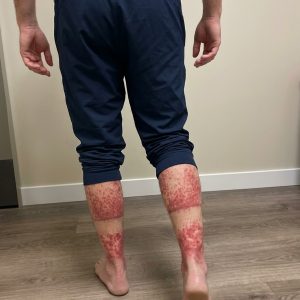
Diabetes and cardiovascular disease are closely interconnected conditions that often develop together rather than independently, forming a long-term pattern of metabolic and vascular strain that affects the entire body Diabetes mellitus and Cardiovascular disease. The relationship between them is driven by shared physiological mechanisms, particularly the impact of prolonged elevated blood sugar on blood vessels. Over time, consistently high glucose levels damage the inner lining of arteries, reducing their flexibility and triggering inflammatory responses that contribute to gradual vascular deterioration.
A key process involved in this progression is the development of Atherosclerosis, where fatty deposits accumulate along blood vessel walls and restrict normal blood flow. As arteries narrow and stiffen, the heart must work harder to circulate oxygen-rich blood throughout the body. This increased workload places additional stress on the cardiovascular system and raises the risk of serious events such as heart attack or stroke. Because these changes occur slowly over time, they often remain unnoticed until significant damage has already occurred, making early awareness and management essential.
One of the earliest areas where circulatory issues may become noticeable is the feet. Reduced blood flow can lead to symptoms such as coldness, numbness, swelling, or changes in skin color. These signs may appear subtle at first and are often mistaken for minor discomfort or aging-related changes. However, they can indicate underlying vascular impairment. As circulation continues to decline, individuals may also experience pain or cramping during movement due to insufficient oxygen supply to the muscles. Monitoring these changes is important because they often reflect broader systemic circulation issues rather than isolated local problems.
Another complication associated with diabetes is Diabetic neuropathy, which affects the body’s ability to transmit sensory signals, particularly in the extremities. Reduced sensation in the feet can make it difficult to notice injuries such as cuts, blisters, or pressure sores. When combined with impaired circulation, this creates a higher risk of slow healing and infection, as the body’s repair mechanisms are less efficient. The absence of pain in affected areas can further delay detection, allowing small issues to progress unnoticed into more serious complications.
Closely related to this is Peripheral artery disease, which commonly affects the legs and feet due to restricted arterial flow. Symptoms may include pain during walking, slow-healing wounds, and changes in skin texture or temperature. In some cases, the skin may appear cooler or shinier due to reduced circulation. Importantly, peripheral artery disease is not only a localized condition but also a marker of widespread vascular disease, often indicating similar narrowing in arteries supplying the heart and brain.
Despite these risks, progression and complications can often be reduced through consistent management and preventive care. Maintaining stable blood glucose levels is central to limiting vascular damage over time. Regular physical activity supports circulation and helps improve cardiovascular efficiency. Avoiding smoking is critical, as it accelerates blood vessel damage and worsens circulation. Managing blood pressure and cholesterol further reduces strain on the arterial system. Routine foot monitoring also plays an important role in early detection of changes, allowing small issues to be addressed before they develop into more serious complications.
Ultimately, diabetes and cardiovascular disease are part of a connected system of metabolic and vascular health. Understanding their relationship highlights the importance of early awareness, consistent monitoring, and long-term lifestyle management in reducing risk and maintaining overall well-being.