Bathing is commonly regarded as a simple act of hygiene, but its impact on the body, particularly the skin, is far more nuanced than it appears. The skin is a dynamic organ that serves as the body’s first line of defense against external threats, while also regulating moisture, temperature, and microbial balance. Every time we bathe, we interact directly with this protective system. When done thoughtfully, bathing supports cleanliness and comfort, but when done excessively or with overly harsh methods, it can interfere with the skin’s natural equilibrium.
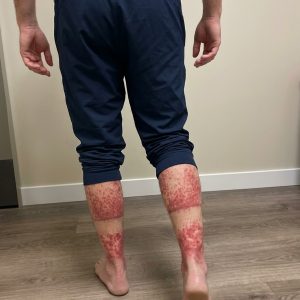
One of the key elements affected by frequent washing is the skin’s natural oil layer. These oils help maintain hydration, softness, and elasticity. When they are repeatedly removed through long showers, hot water, or strong cleansing agents, the skin can become dry and sensitive. This dryness is not merely a cosmetic issue; it can lead to discomfort, tightness, flaking, and increased vulnerability to environmental irritants. Over time, the disruption of this protective layer may weaken the skin’s ability to defend itself effectively.
Closely connected to this is the skin microbiome, a diverse ecosystem of beneficial microorganisms living on the skin’s surface. These microbes play an essential role in protecting against harmful bacteria, supporting immune responses, and maintaining overall skin stability. Overwashing, especially with antibacterial or heavily fragranced products, can disturb this balance. When the microbiome is disrupted, the skin may become more reactive, prone to inflammation, or susceptible to conditions such as irritation and eczema-like symptoms. Maintaining microbial harmony does not require avoiding bathing, but rather approaching it with moderation and care.
Temperature and duration of bathing also play an important role. Hot water, while relaxing, can strip oils more aggressively and increase dryness. Long exposure to water further weakens the skin barrier by softening and depleting its outer layers. Shorter showers with lukewarm water are generally gentler and help preserve the skin’s natural defenses. Similarly, the choice of cleansing products has a significant influence. Many conventional soaps contain detergents and additives that clean effectively but may be too harsh for daily use. Gentler formulations designed for sensitive skin can cleanse without stripping essential moisture.
As the body ages, the effects of overbathing become more pronounced. Older skin naturally produces less oil and has reduced elasticity, making it more susceptible to dryness and irritation. In addition, aging can bring increased sensitivity to temperature changes and a higher risk of dizziness from hot showers. For individuals with health conditions such as circulatory issues or diabetes, careful bathing practices become even more important. Adjustments such as moderate water temperature, reduced shower time, and mild products can significantly improve comfort and skin health.
Moisturizing after bathing is a crucial step that supports the skin’s recovery. After water exposure, the skin loses moisture more easily, making it an ideal moment to apply hydrating products. Ingredients like ceramides, glycerin, and natural oils help reinforce the skin barrier and lock in hydration. Regular moisturizing not only reduces dryness but also strengthens long-term resilience, making the skin more comfortable and balanced throughout the day.
Ultimately, bathing should be viewed as a restorative practice rather than an aggressive cleansing ritual. Cleanliness does not depend on frequency alone, but on balance and technique. In many cases, bathing every few days, combined with targeted hygiene practices, is sufficient to maintain health and freshness. By paying attention to the body’s needs and adjusting habits accordingly, bathing can become a supportive routine that enhances well-being rather than compromising it.