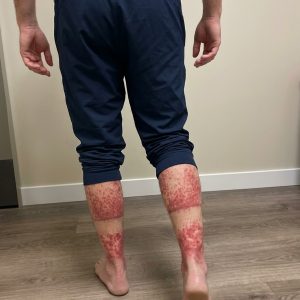
Red marks appearing on the arm can be concerning at first glance, but in many cases they are caused by common and harmless factors. The skin is highly responsive to its environment and can react quickly to even minor irritations. Insect bites are one of the most frequent causes, often leaving small red spots that may itch slightly or appear raised. These marks usually fade on their own within a short period without requiring treatment.
Contact irritation is another common reason for temporary red marks. Everyday substances such as soaps, detergents, perfumes, or even certain fabrics can trigger mild skin reactions, especially in people with sensitive skin. A new clothing item that has not been washed or a change in skincare products may be enough to cause localized redness. In many cases, the reaction is mild and resolves once exposure to the irritant stops.
Physical pressure or friction can also lead to red marks. Leaning on a surface for an extended time, wearing tight clothing, or repeated rubbing against the skin may cause temporary discoloration. These marks are usually painless, do not spread, and disappear relatively quickly as the skin recovers naturally.
While many red marks are harmless, some may indicate underlying skin conditions when they persist or worsen. Conditions such as dermatitis or eczema can cause red, inflamed patches that may be dry, itchy, or slightly raised. These conditions can be triggered by allergens, environmental changes, or stress and often require more consistent care. Fungal infections may also present as red areas that gradually expand or develop clearer edges over time, and these typically do not resolve without targeted treatment.
The pattern and appearance of red marks can provide useful clues about their cause. Clusters or linear arrangements of spots may suggest insect bites, while well-defined patches that match areas of contact with an object or material may indicate an allergic reaction. Sudden outbreaks of red, raised welts that appear and disappear quickly may be related to hives, which can be triggered by stress, heat, or immune responses.
Observing how the marks change over time is important. Gradual fading usually suggests a minor irritation, while spreading, increasing redness, or persistent discomfort may indicate a more significant issue. Associated symptoms such as swelling, pain, or changes in skin texture can also help distinguish between simple and more complex conditions.
Initial care for mild red marks typically involves keeping the skin clean and avoiding further irritation. Gentle, fragrance-free products are recommended, as harsh chemicals may worsen sensitivity. Scratching should be avoided, since it can damage the skin and increase the risk of infection. Soothing measures such as cool compresses or mild moisturizers can help reduce discomfort while the skin heals.
Monitoring the affected area over a few days is often enough to determine whether the condition is improving. If the marks fade and do not return, they are likely the result of a temporary irritant. However, if they persist, spread, or become more uncomfortable, medical evaluation may be necessary. Additional symptoms such as fever, fatigue, or widespread rash should be taken seriously, as they may indicate a broader health issue.
Ultimately, red marks on the arm are usually harmless and temporary, reflecting the skin’s natural responsiveness to external and internal factors. While most cases resolve without intervention, paying attention to patterns, duration, and associated symptoms helps ensure that more serious conditions are not overlooked. Understanding these differences allows for a balanced response—neither ignoring important warning signs nor becoming overly concerned about minor, short-lived changes.