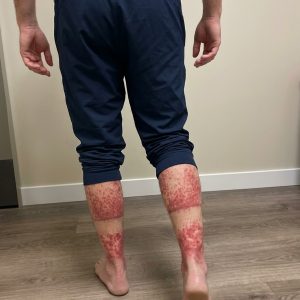
If you’ve ever spent a warm evening outside, swatting at mosquitoes while someone nearby remains untouched, it’s tempting to chalk it up to bad luck. In reality, mosquito behavior is anything but random. Research by scientists such as Jonathan F. Day has revealed that these tiny insects use a sophisticated system to locate and select their targets. What seems like selective annoyance is actually a precise biological process influenced by chemical signals, environmental cues, and individual human traits. Mosquitoes do not land arbitrarily; they actively hunt for optimal blood sources, and some people naturally produce the signals that make them more attractive. Factors such as body chemistry, movement, clothing, and even recent activities can all contribute to how appealing a person appears to mosquitoes. Understanding this system highlights both the complexity of these insects and the many ways humans inadvertently signal their presence.
At the core of mosquito attraction lies carbon dioxide (CO₂), which humans exhale continuously. Mosquitoes can detect CO₂ from impressive distances, sometimes up to fifty meters, using specialized sensory organs. This gas acts as an initial beacon, guiding mosquitoes toward potential hosts. People with higher metabolic rates, including those who are larger, physically active, or pregnant, exhale more CO₂, increasing their detectability. Even temporary increases, such as after exercise or during stress, can make a person more noticeable. Children typically produce less CO₂, which may partially explain why they often experience fewer bites. CO₂ serves as an early warning signal in the environment, alerting mosquitoes to a potential host long before they are within striking distance. However, this is only the first stage in a more complex decision-making process, as mosquitoes rely on additional cues to determine exactly where to land.
Sweat and its chemical composition are crucial secondary signals. Lactic acid, released through perspiration, plays a major role in mosquito attraction. Physical activity, heat, or stress increases sweat production, providing compounds that create a distinctive scent profile. Individual variations in skin microbiomes further influence how sweat smells, meaning two people sweating equally may present entirely different olfactory signatures to mosquitoes. Genetics affect these processes as well, influencing body odor and skin properties that interact with sweat. The combination of lactic acid, other sweat components, and skin bacteria produces a highly individualized signal that mosquitoes use to select their targets with remarkable accuracy.
Visual cues also play an important role. Mosquitoes often fly near the ground and use sight to identify potential hosts. Dark-colored clothing creates strong contrast against natural backgrounds, making wearers easier to detect, while lighter colors blend in and reduce visibility. Movement amplifies this effect; someone walking, gesturing, or shifting position is more noticeable than a stationary person. The interplay between visual contrast and motion complements chemical cues, helping mosquitoes locate and approach their prey efficiently.
Body temperature provides another layer of attraction. Mosquitoes detect heat to locate areas where blood vessels are close to the skin, signaling easy access for feeding. People with naturally warmer skin or those who have recently exercised are more likely to attract mosquitoes. Pregnancy, elevated by hormonal changes, can raise skin temperature slightly, increasing susceptibility to bites. Alcohol consumption also plays a role, raising skin temperature and altering scent, while dilating blood vessels brings blood closer to the surface, facilitating feeding. These physiological changes subtly enhance the signals mosquitoes use to identify optimal targets.
Lifestyle and environmental conditions further influence mosquito attraction. Outdoor activity, alcohol consumption, and exercise increase CO₂ output, sweat, and body heat, making one more noticeable. The time of day matters as well; mosquitoes are most active during dawn and dusk, particularly in humid areas near standing water. Clothing choices, physical activity, and environmental exposure interact dynamically, meaning mosquito attractiveness can fluctuate throughout the day. This complexity explains why bites may feel random, even though they are guided by consistent biological principles.
While mosquito bites remain irritating, understanding the underlying mechanisms offers ways to reduce risk. Wearing light-colored clothing, avoiding peak mosquito activity times, staying cool, minimizing sweat, applying repellents, and eliminating standing water around homes can all help. Recognizing that mosquitoes are following evolved survival cues rather than targeting individuals at random reframes the experience. Your body emits signals that guide these insects, and by understanding and managing them, you can lessen your likelihood of being bitten. Mosquitoes are not choosing victims arbitrarily—they are responding to a highly refined system developed over millions of years, one that relies on chemical, visual, thermal, and environmental signals to find their next meal.