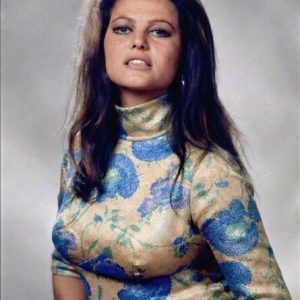
The name Dyan Cannon carries with it the weight of nearly an entire century of Hollywood history, evoking a time when movie stars were more than entertainers—they were symbols of aspiration, beauty, and cultural change. At the height of her career in the late 1960s and 1970s, Cannon represented a new kind of woman on screen, one who was intelligent, emotionally layered, playful, and independent in an era when female roles were often narrowly confined. Her radiant presence, marked by a luminous smile and expressive eyes, made her unforgettable, while her performances revealed a depth that audiences instinctively trusted. She seemed to embody a balance between glamour and relatability, offering a version of stardom that felt both aspirational and human. Yet beneath the surface of red carpets and magazine covers existed a reality far more complex, as she navigated the constant tension between her private identity and public image in an industry that demanded resilience as much as talent.
Her professional journey reflects a rare combination of persistence and artistic integrity in a field known for discarding women as they age. Cannon consistently resisted being confined to a single type of role, instead seeking characters that allowed her to explore vulnerability, humor, ambition, and moral ambiguity. In films like Bob & Carol & Ted & Alice, Heaven Can Wait, The Last of Sheila, and Deathtrap, she demonstrated an ability to move effortlessly between genres, proving that her appeal extended far beyond appearance. Her Academy Award nominations and Golden Globe recognitions affirmed her standing as a respected performer, not merely a popular one. When she received her star on the Hollywood Walk of Fame, it marked not just a milestone, but a testament to a career built on courage and reinvention. Rather than fading quietly as opportunities diminished, she continued to evolve, writing, directing, and performing long after many of her contemporaries had been sidelined. In doing so, she redefined what longevity in Hollywood could look like.
One of the most publicly scrutinized aspects of her life was her marriage to Cary Grant, a relationship that fascinated audiences and reinforced Hollywood’s love of romantic mythology. To the outside world, their union appeared like a fairytale, pairing a legendary leading man with a rising star. However, Cannon later spoke candidly about the emotional complexities behind that polished image, describing a dynamic in which she often felt diminished and constrained. The experience became a profound lesson in identity and self-worth, particularly within an environment that encouraged women to prioritize harmony over authenticity. When the marriage ended, it attracted intense media attention, yet for Cannon it marked a turning point rather than a defeat. She approached it with nuance, acknowledging both the love and the difficulties, and ultimately used it as a catalyst for personal growth rather than bitterness.
Motherhood provided a grounding force that brought stability to her life amid the unpredictability of fame. Her relationship with her daughter, Jennifer Grant, offered a space rooted in genuine connection rather than public performance. Cannon embraced this role with seriousness, often placing it above professional ambition. Over time, she turned inward, exploring spirituality and creative expression in ways that reflected her evolving sense of self. Rather than chasing relevance, she focused on inner fulfillment, understanding that lasting meaning rarely aligns with external validation. This phase of her life highlights a deeper truth: that growth depends not on resisting change, but on learning to move with it.
In recent years, Cannon returned unexpectedly to public attention after being photographed during an ordinary moment, simply walking her dogs. The images, showing her in her late eighties without the polish of Hollywood styling, sparked widespread discussion. Reactions ranged from admiration to harsh criticism, revealing society’s discomfort with visible aging, especially in women once celebrated for their beauty. The moment became symbolic, exposing how deeply ingrained ageism remains, and how fame often intensifies rather than shields against it. Cannon’s continued presence challenges the expectation that icons should remain frozen in time.
Now in her late eighties, she speaks with a sense of peace shaped by decades of experience. She emphasizes gratitude, reflection, and self-awareness as the foundations of her well-being, no longer measuring her worth through public approval. Her story ultimately reframes aging not as loss, but as accumulation—of wisdom, resilience, and clarity.