Many people grow up believing that bathing every single day in the same way throughout life is automatically a sign of good hygiene and good health, but after the age of 70, the body—especially the skin—changes in ways that make this assumption less accurate. Aging skin produces less sebum, becomes thinner, and loses some of its ability to repair itself quickly. Because of this, routines that were once harmless can begin to cause dryness, irritation, and discomfort. Hygiene in older adults therefore shifts from frequency to gentleness, protection of the skin barrier, and overall comfort. The goal becomes “cleaning more wisely” rather than “cleaning more often,” since over-washing can strip away natural oils that help maintain healthy skin.
For many older adults, daily full-body bathing is not always necessary. In many cases, bathing two to three times per week is enough to maintain cleanliness when combined with daily targeted washing of key areas such as underarms, feet, and skin folds where sweat and bacteria accumulate more easily. This approach helps preserve the skin’s natural protective oils, which act as a barrier against dryness and irritation. When daily hot showers continue without adjustment, the skin can become progressively drier, leading to itching, flaking, or tightness. The focus is not on reducing cleanliness but on adapting habits to the body’s changing needs so that hygiene supports comfort rather than undermines it.
Water temperature is another important factor. Hot showers may feel relaxing, especially for stiff joints or muscle tension, but they remove natural oils more aggressively than lukewarm water. Over time, this can weaken the skin barrier and increase sensitivity. Lukewarm water provides a balance between cleanliness and protection, allowing effective washing without excessive drying. A practical indicator is bathroom steam: if the mirror fogs heavily and quickly, the water is likely too hot for optimal skin care. Small changes in temperature can significantly improve how the skin feels afterward, especially for those already prone to dryness.
The choice of cleansing products also matters. Harsh or heavily scented soaps can strip the skin of essential oils, worsening dryness. Milder options such as fragrance-free cleansers, glycerin-based soaps, or products designed for sensitive skin are generally better suited for aging skin. Shower duration should also be limited, often around five to eight minutes, since prolonged exposure to water can still contribute to dryness even if the temperature is mild. After bathing, drying the skin gently by patting instead of rubbing helps prevent irritation and friction damage.
Moisturizing becomes one of the most important steps in maintaining skin health after bathing. Applying moisturizer while the skin is still slightly damp helps lock in hydration and improve elasticity. Ingredients like glycerin, ceramides, urea, aloe vera, and colloidal oatmeal are often recommended because they support the skin barrier and reduce moisture loss. In many cases, consistent moisturizing is more effective than increasing bathing frequency in managing dryness and discomfort. Timing also matters, as moisturizing immediately after bathing provides the best results.
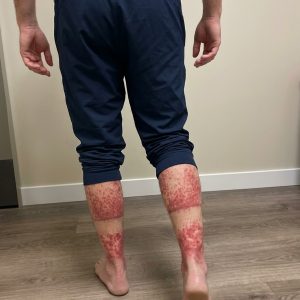
After 70, skin care is less about strict routines and more about adaptation. Signs such as persistent itching, redness, flaking, or irritation indicate that bathing habits may need adjustment. Supporting skin health also includes staying hydrated, wearing soft breathable fabrics, avoiding strong fragrances, and paying attention to areas prone to dryness or injury. For individuals with ongoing discomfort, consulting a dermatologist can provide targeted solutions. In this way, bathing becomes a personalized routine focused on maintaining comfort, protecting the skin barrier, and improving overall quality of life.